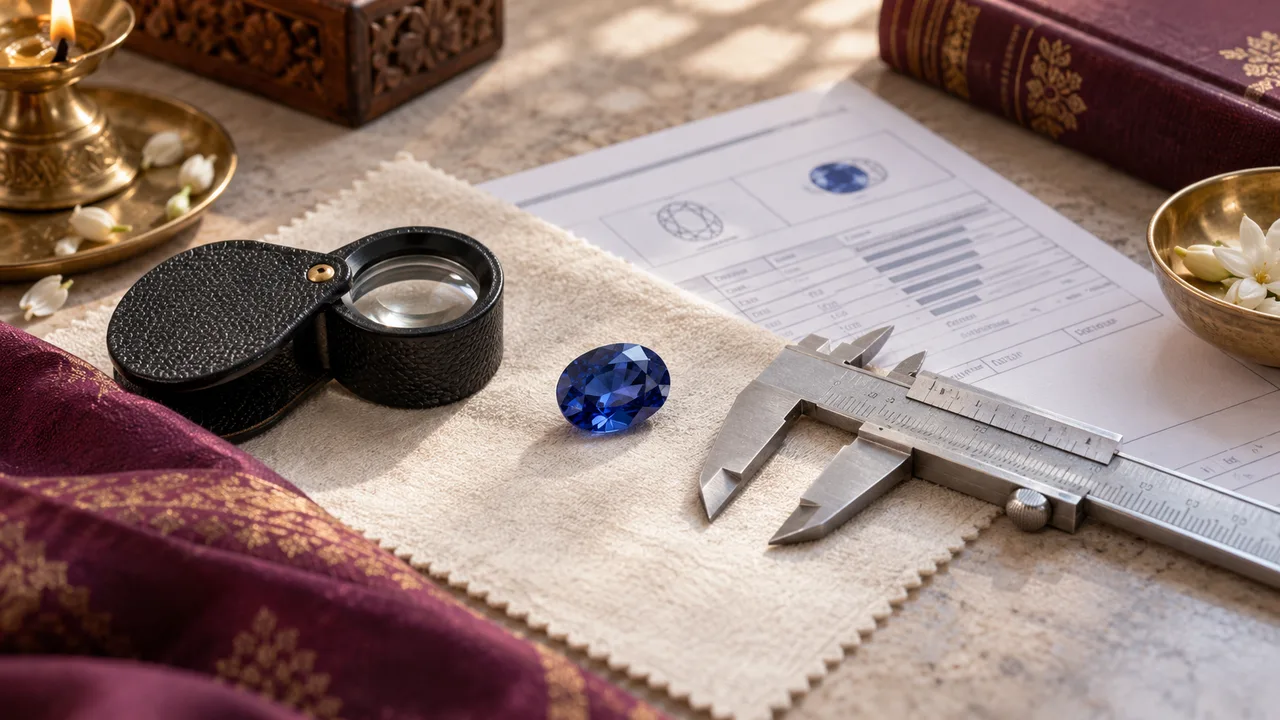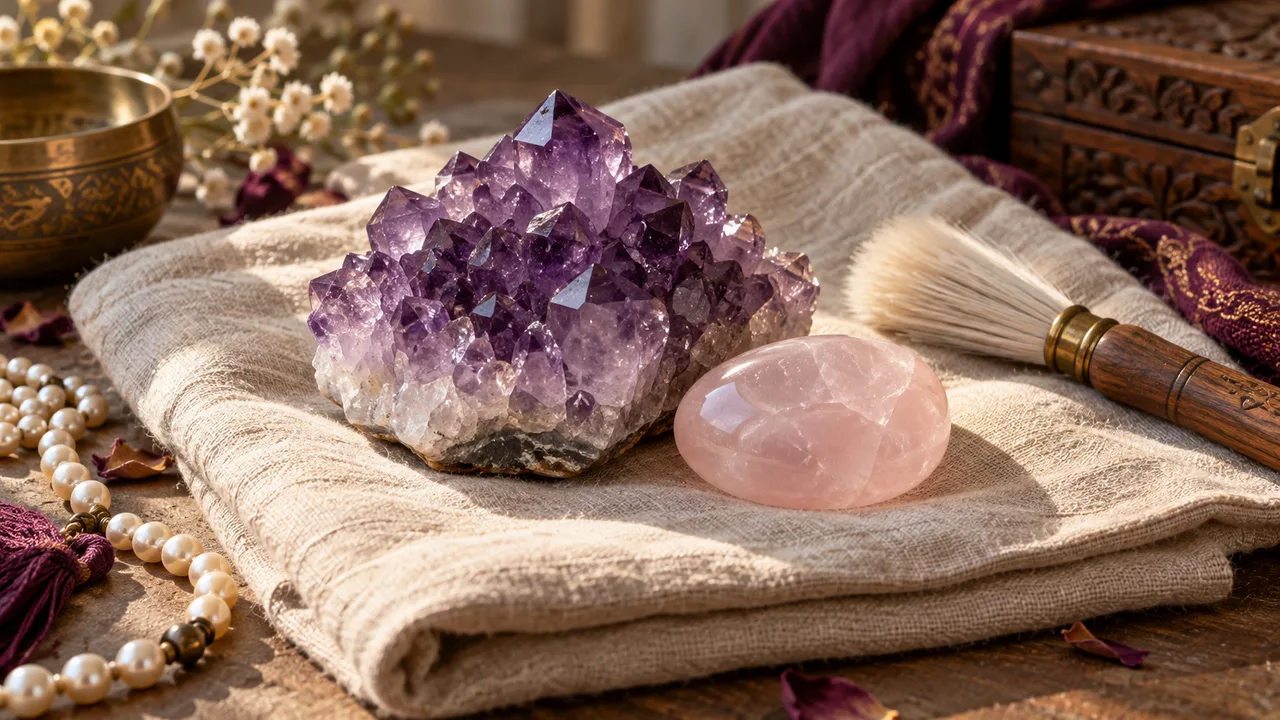
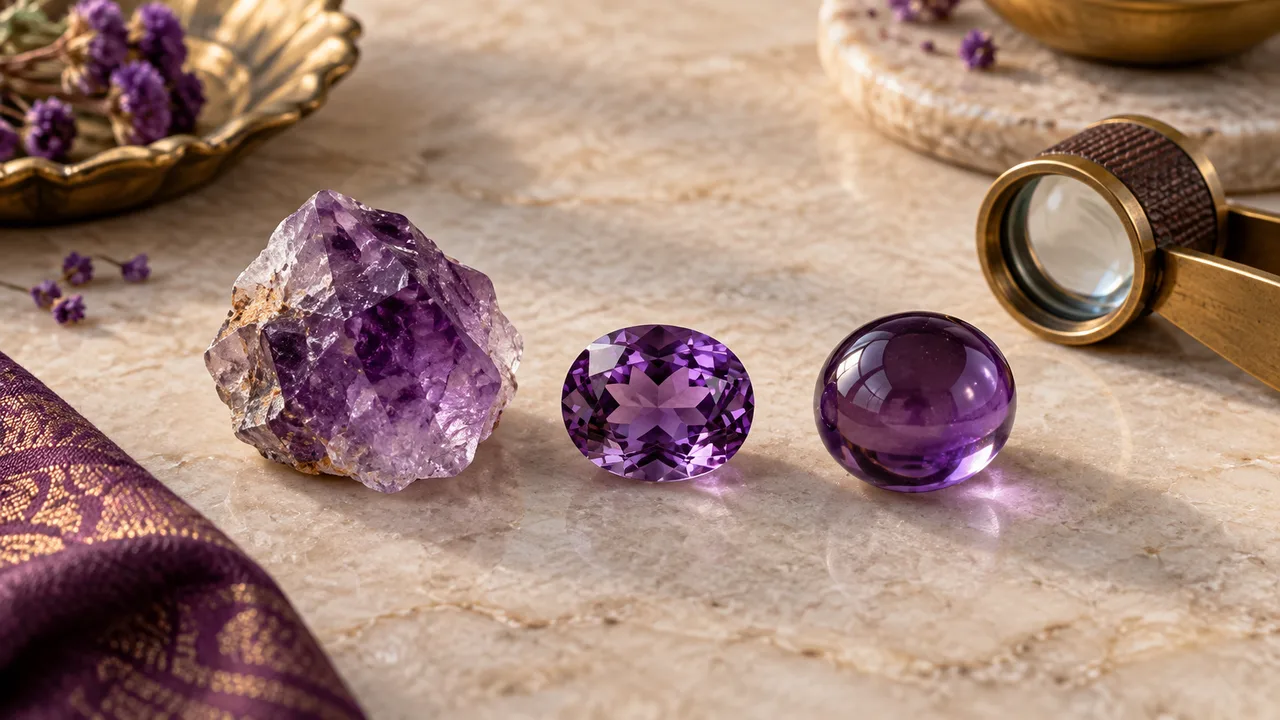
A beautiful stone and a correctly described stone are two different things. Ask about both.
Start with the material
Natural describes geological origin. Laboratory-grown gems are made by people and share essentially the chemical composition and properties of their natural counterparts. An imitation resembles another gem but is a different material. These are not interchangeable descriptions.
Treatment is a separate question
A natural stone can also be treated. Heat, dyes or other processes may change appearance. Ask what is known about treatment and whether it changes how the piece should be cared for. A label that says natural does not answer every question.
Ask before you compare prices
Colour alone cannot settle identity or origin. Compare pieces only after their descriptions are clear.
- What material am I being offered?
- Is it natural, laboratory-grown or an imitation?
- What treatments are disclosed?
- Is independent identification available for this exact piece?
Keep meaning and identification separate
You may value a stone as jewellery, a keepsake or part of a spiritual practice. That meaning does not identify the material. Give yourself room to appreciate the piece while asking practical questions about it.
Sources & scope
- GIA: synthetic gem materials Natural counterparts and laboratory-grown materials.
- GIA: imitation gem materials How an imitation differs from the gem it resembles.
- GIA: gem treatments Treatment types and material-specific care.
Educational demo for review, not Narayani’s approved advice, a product recommendation or a promise of health or financial outcomes.