Know the piece, the evidence and the terms. A purchase should never feel like the price of avoiding harm.
1. What exactly am I buying?
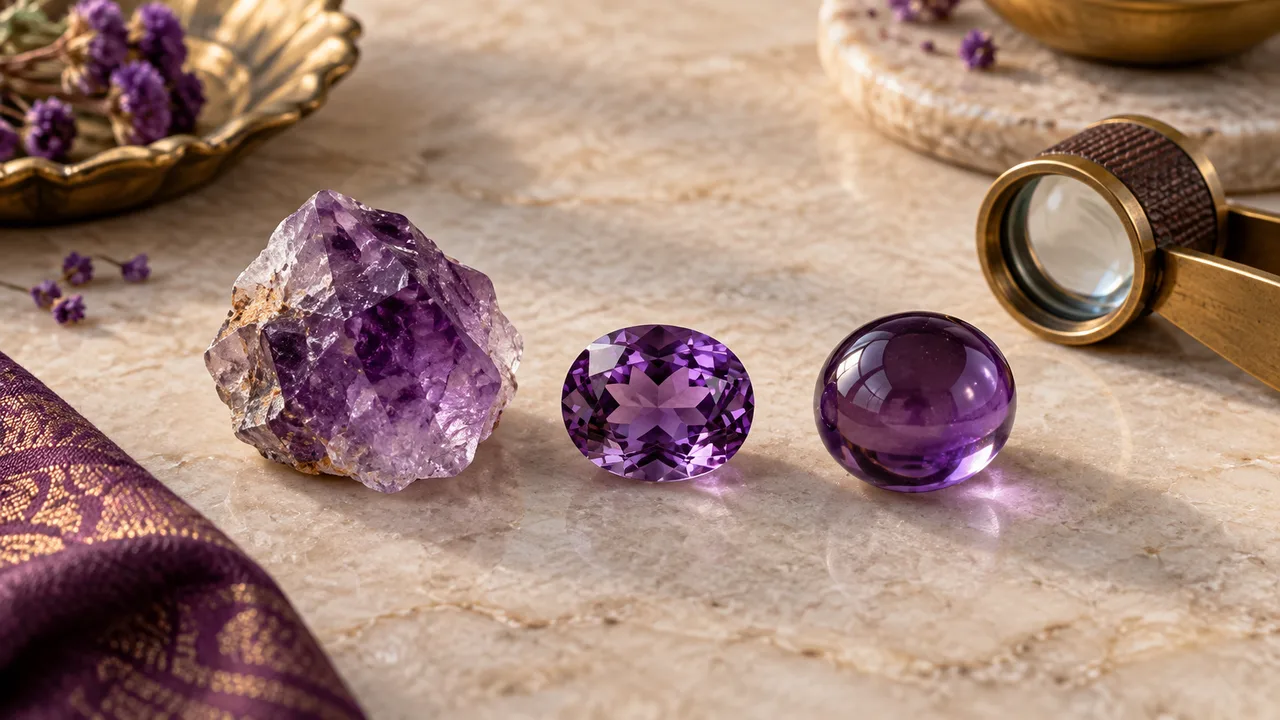
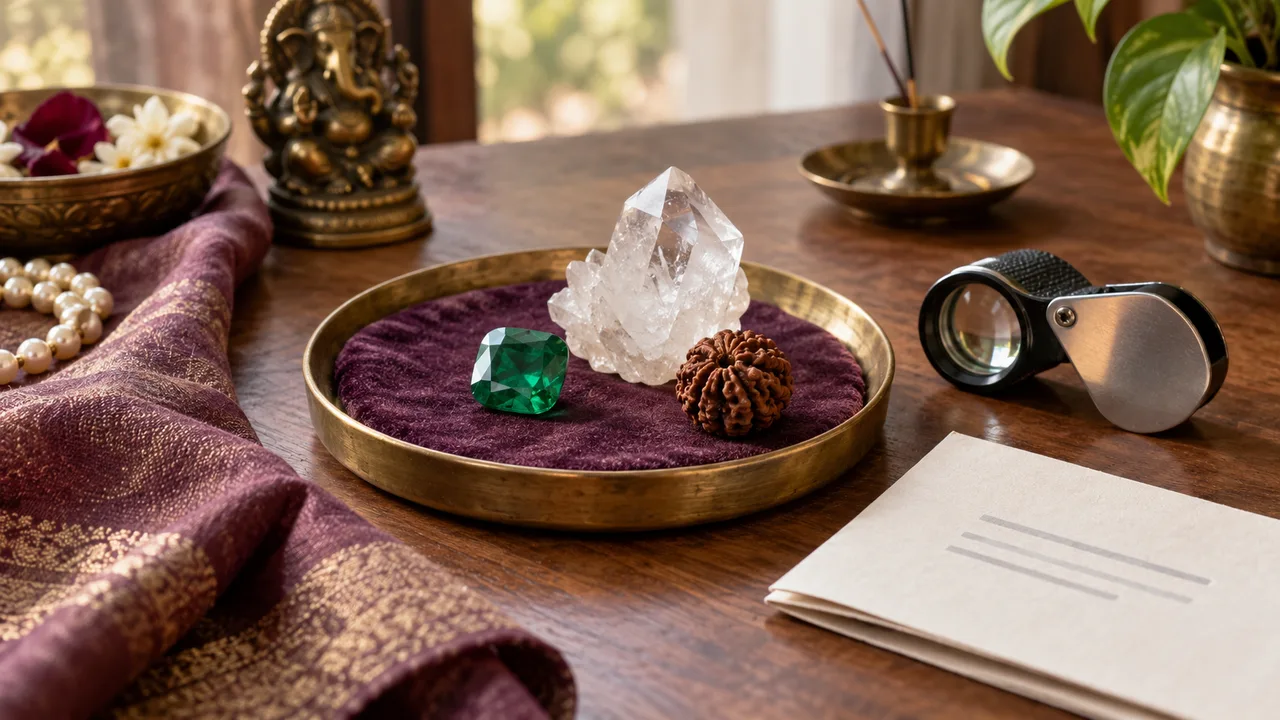
Ask for a written description of the material, size or weight, and what is included. For a stone, clarify natural, laboratory-grown or imitation. For a bead, ask how its type is described and supported.
2. What is being claimed?
A traditional association, a personal intention and a material test are different things. Ask which one the seller is talking about. Do not treat a promise about healing, wealth or protection as proof of the object's identity.
3. What supports the description?
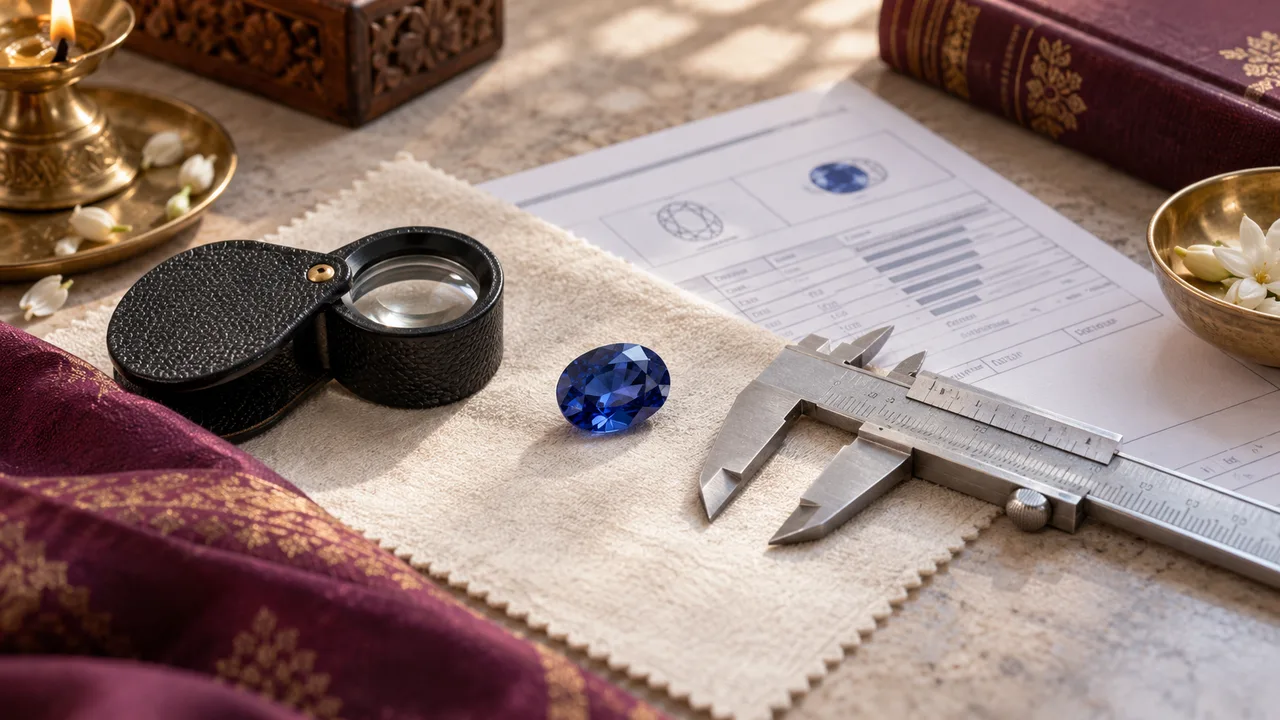
Ask who identified the piece and what any document actually checks. An explanation of a tradition is not a laboratory assessment. For a significant purchase, be clear about whether independent identification is available.
4. What is the total commitment?
Confirm the full price, any report or setting charge, delivery arrangements, care instructions and return terms before paying. These are questions to settle with the seller, not terms this demo article promises on NNG's behalf.
5. Would I choose this without pressure?
Give yourself time. You can enjoy a meaningful object without accepting a warning that something bad will happen if you do not buy it. If the description or terms remain unclear, pause the purchase rather than filling the gaps yourself.
Sources & scope
- GIA: imitation gem materials The material distinction behind the first buying question.
Educational demo for review, not Narayani’s approved advice, a product recommendation or a promise of health or financial outcomes.